What You Should Know Before Choosing Shockwave Therapy
If ongoing pain is slowing you down, you may have already come across Shockwave Therapy while searching for non-surgical treatment options. This approach has become more common in physiotherapy clinics because it may help people dealing with stubborn tendon, muscle, and ligament conditions that have not responded to rest or exercise alone.
Before starting any new treatment, it makes sense to ask the right questions. Learning how the process works, who may benefit, and what to expect can help you make an informed decision.
At Cityview Physio & Rehab in Woodbridge, every person receives a thorough assessment before any treatment plan is recommended. The goal is to identify the source of pain and decide whether Shockwave Therapy is an appropriate choice.
1. What Is Shockwave Therapy?
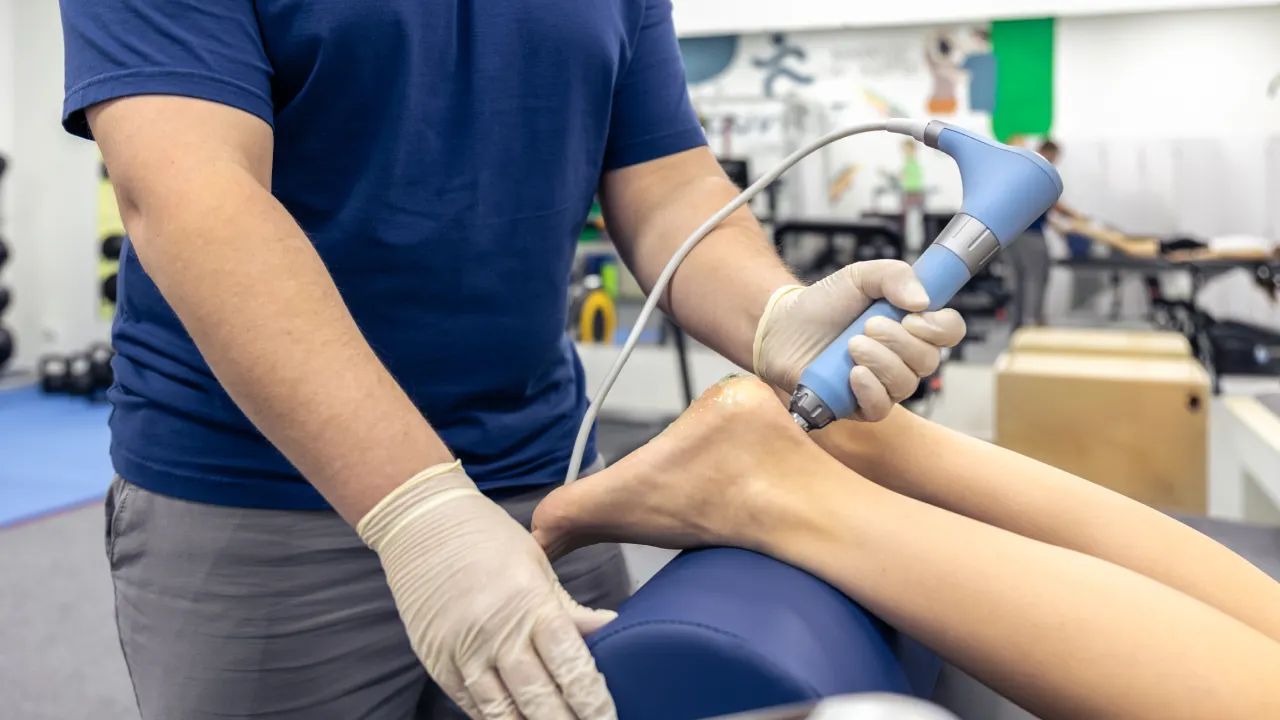
Shockwave Therapy uses acoustic waves that are delivered to the affected area through a handheld device. These sound waves stimulate the body's natural repair processes and are commonly used for long-standing musculoskeletal conditions involving tendons and soft tissues.
Unlike surgery, this treatment does not require incisions or long recovery periods. Most appointments are completed within a short visit, allowing many people to continue their usual daily routine afterward.
The treatment is often combined with movement programs, stretching, strengthening exercises, and activity modification to support recovery.
2. Which Conditions Can It Be Used For?
This treatment is commonly considered for conditions that have continued for several months despite conservative care. Examples include:
- Plantar fasciitis
- Achilles tendinopathy
- Tennis elbow
- Golfer's elbow
- Patellar tendinopathy
- Rotator cuff tendinopathy
- Shoulder calcific tendinitis
- Hip tendon pain
- Chronic muscle tightness
Not every painful condition is suitable for this treatment. A proper assessment helps determine whether another approach may be more appropriate.
3. How Does It Work?
The acoustic waves create mechanical stimulation within the affected tissue. This stimulation may encourage circulation, support tissue repair, and influence pain signals.
While research continues to examine every mechanism involved, many physiotherapy clinics include Shockwave Therapy as part of a broader rehabilitation plan for long-standing tendon problems.
Treatment is not simply about reducing discomfort during one appointment. It is usually combined with progressive exercise that addresses movement patterns, strength, flexibility, and daily activity.
4. Does the Treatment Hurt?
Many people describe the sensation as unusual rather than painful. The level of discomfort often depends on the condition being treated and how sensitive the area is.
A physiotherapist can adjust the treatment intensity throughout the session to keep it manageable.
Some temporary soreness after treatment is normal and generally settles within a day or two. This reaction does not necessarily indicate a problem.
5. How Many Sessions Are Usually Needed?
There is no single answer because every condition is different.
Factors that influence the number of sessions include:
- The length of time symptoms have been present
- The affected body part
- Activity level
- General health
- Response after each appointment
Many treatment plans involve several sessions spaced over several weeks. Progress is monitored throughout the process, and adjustments are made when needed.
6. Who Should Avoid This Treatment?
Although Shockwave Therapy is suitable for many people, there are situations where it may not be recommended.
Examples may include:
- Pregnancy over the treatment area
- Certain circulation disorders
- Active infection
- Some bone conditions
- Areas with malignant tumours
- Recent fractures
- Certain implanted electronic devices depending on the treatment site
Your physiotherapist will review your medical history before deciding whether this treatment is appropriate.
7. Will I Need Exercise Too?
Yes. Exercise often plays an important role in recovery.
Treating symptoms without improving strength, mobility, and movement habits may limit progress. Your physiotherapist may recommend exercises that gradually load the affected tissues while reducing unnecessary strain.
Following the prescribed home program can influence overall progress just as much as attending clinic visits.
8. When Will Results Be Noticeable?
Some people notice changes after one or two visits, while others improve more gradually over several weeks.
Recovery depends on factors such as:
- The condition being treated
- Severity of tissue changes
- Daily activities
- Participation in home exercises
- Overall health
Patience is important because tissues often require time to respond.
9. Is It Right for Your Situation?
Not every painful condition requires this treatment.
A thorough physical assessment helps determine the source of symptoms, identify contributing factors, and select the most appropriate treatment plan.
At Cityview Physio & Rehab, assessments focus on movement, strength, joint function, activity demands, and medical history before deciding whether Shockwave Therapy should be included in your rehabilitation plan.
Why More People Are Looking Into Shockwave Therapy Today
Interest in Shockwave Therapy has grown because many people want options that do not involve surgery and may fit into busy schedules.
Modern lifestyles often involve repetitive movements, prolonged sitting, physically demanding work, or regular sports participation. These factors can contribute to tendon and soft tissue problems that linger for months.
As awareness grows, more individuals are discussing treatment possibilities with physiotherapists before deciding what suits their condition. Many also value treatments that complement exercise instead of replacing active rehabilitation.
Another reason for growing interest is the increasing amount of research exploring its use for conditions such as plantar fasciitis, Achilles tendinopathy, and tennis elbow.
Is Shockwave Therapy Worth Trying for Heel Pain?
Heel pain can make walking, standing, working, and recreational activities uncomfortable. One of the most common causes is plantar fasciitis, although other conditions can also produce similar symptoms.
For people whose heel pain has continued despite stretching, footwear changes, and exercise, Shockwave Therapy may be discussed during a physiotherapy assessment.
The decision depends on several factors, including the duration of symptoms, physical examination findings, activity level, and medical history.
Because heel pain may have multiple causes, an accurate diagnosis is an important first step before beginning any treatment.
What Happens During Your First Visit?
Your first appointment generally includes:
- Discussion of your symptoms and health history
- Physical examination
- Movement assessment
- Review of previous treatments
- Identification of contributing factors
- Explanation of available treatment options
- Home exercise recommendations when appropriate
If Shockwave Therapy is considered appropriate, your physiotherapist will explain the treatment process, expected timeline, and what you may experience during and after each session.
Everyday Habits That Support Recovery
Treatment often works alongside simple lifestyle changes. Depending on your condition, these may include the following:
- Gradually increasing activity rather than making sudden changes
- Wearing footwear suited to your daily activities
- Completing prescribed exercises consistently
- Managing training volume if you participate in sports
- Taking regular movement breaks during long periods of sitting
- Avoiding activities that repeatedly aggravate symptoms until tissues settle
These habits can support the rehabilitation process and reduce unnecessary strain on affected tissues.
Why Choose Cityview Physio & Rehab in Woodbridge?
Cityview Physio & Rehab focuses on identifying the cause of pain rather than simply treating symptoms. Every assessment considers movement quality, daily activities, work demands, recreational activities, and overall physical function.
Whether you're dealing with heel pain, shoulder discomfort, tennis elbow, or tendon-related issues, the clinic develops a structured rehabilitation plan that matches your condition and recovery goals.
FAQs
1. How long does a Shockwave Therapy session take?
Most sessions last between 15 and 30 minutes, although the total appointment time may vary depending on your assessment and treatment plan.
2. Can I return to work after treatment?
Many people return to work or normal daily activities immediately after their appointment, although temporary soreness may occur.
3. Is Shockwave Therapy suitable for sports injuries?
It may be considered for certain long-standing tendon and soft tissue injuries after a physiotherapy assessment determines that it is appropriate.
4. Do I need a doctor's referral?
Often, you can book directly with a physiotherapy clinic without a referral, although insurance plans may have different requirements.
5. Can Shockwave Therapy replace exercise?
Exercise remains an important part of rehabilitation for many conditions. Treatment is often combined with strengthening and mobility work rather than used on its own.
Contact Cityview Physio & Rehab
If persistent pain is limiting your daily routine, contact Cityview Physio & Rehab in Woodbridge to schedule an assessment. The team can determine whether Shockwave Therapy is appropriate for your condition and create a rehabilitation plan aimed at helping you return to the activities that matter most.