What Happens When a Knee Injury Does Not Calm Down
A knee injury can seem minor at first. Many people expect soreness or stiffness to fade with rest and lighter activity. In reality, the knee is a complex joint that depends on strength, timing, and coordination from the entire lower body. When recovery stalls, the issue is rarely just about the injured area itself.
It is where Knee Rehabilitation becomes central to recovery. Instead of waiting and hoping symptoms fade, structured care focuses on how the knee moves, responds to load, and supports everyday tasks. For residents in Woodbridge, recognizing when a knee injury has failed to settle can help prevent long-term movement limitations.
Why Knee Injuries Often Linger Longer Than Expected
Knee injuries can remain unresolved for several reasons. Swelling may restrict motion. Muscle shutdown can reduce joint control. Poor movement habits may develop as the body tries to protect the knee. Over time, these patterns increase strain and delay progress.
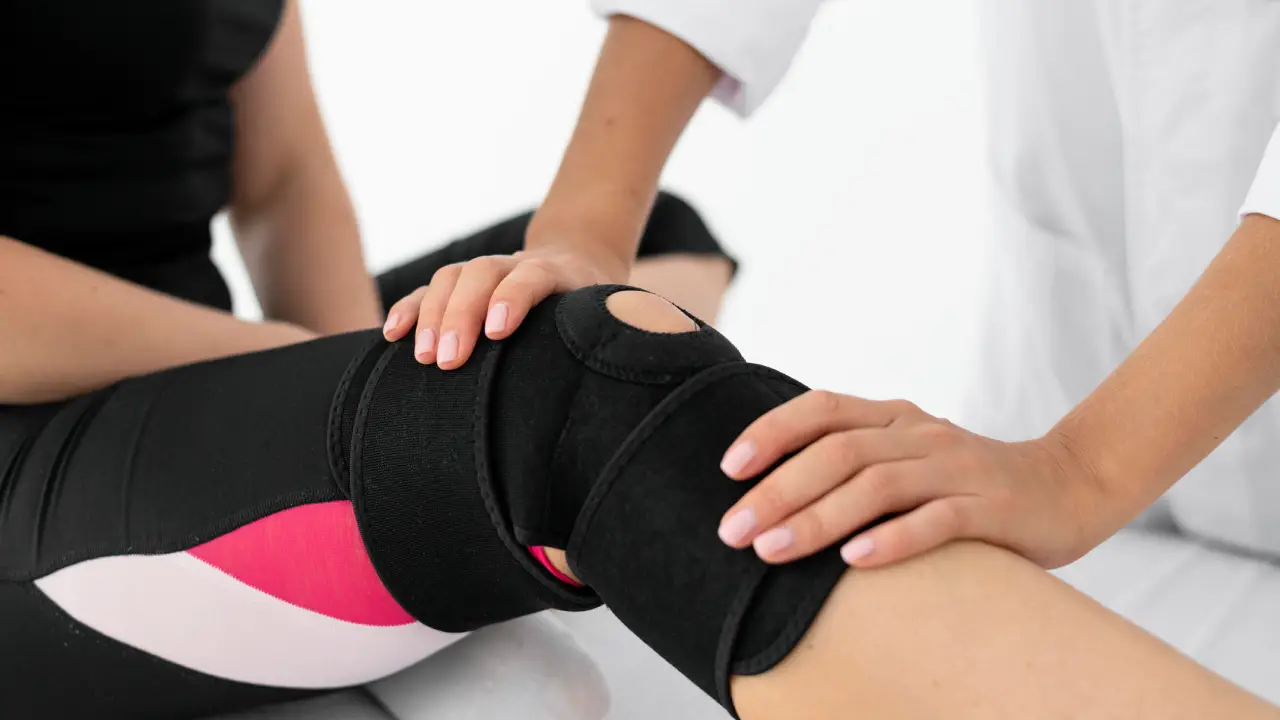
Knee Rehabilitation addresses these challenges by restoring knee function for walking, standing, and other activities. Rather than focusing solely on symptoms, care targets the systems that support joint stability and movement quality. This approach helps the knee adapt to daily demands again.
How Knee Rehabilitation Supports Recovery After Setbacks
The goal of Knee Rehabilitation is not just short-term improvement. It focuses on restoring function so the knee can manage load without reacting. It includes strength work, movement retraining, and education that supports confident activity.
When a knee injury does not settle, the following indicators often appear. Each one highlights the need for focused care rather than continued rest alone.
1. Ongoing Knee Pain During Simple Tasks
Pain that persists for weeks after injury often occurs during walking, standing, or basic household activities. It signals that the knee struggles with everyday loads.
Through Knee Rehabilitation, clinicians examine how forces travel through the knee during movement. Addressing muscle imbalances and joint mechanics reduces unnecessary strain and supports gradual progress.
2. Swelling That Returns After Activity
Swelling that increases after light activity shows the knee cannot tolerate normal demands. This reaction often leads people to avoid movement, which can further slow recovery.
Knee Rehabilitation helps improve circulation, joint motion, and muscle control so the knee responds better to activity. With proper guidance, swelling becomes less frequent and less intense over time.
3. Strength Differences Between Legs
When one leg feels weaker, daily tasks like stairs or rising from a chair become harder. This imbalance places more pressure on the injured knee.
In Knee Rehabilitation, strength work focuses on restoring balance across both legs. Improving coordination and load sharing supports safer movement patterns and reduces stress on healing tissue.
4. A Feeling of Instability or Giving Way
A knee that feels unreliable often lacks proper neuromuscular control. It can happen even when pain levels seem manageable.
Knee Rehabilitation includes balance and coordination exercises that retrain the knee’s response to changes in surface or direction. It builds trust in the joint during real-life movement.
5. Limited Bending or Straightening
Difficulty fully bending or straightening the knee affects sitting, driving, and walking speed. Stiffness often develops when swelling or guarding restricts motion.
Within Knee Rehabilitation, restoring range of motion happens alongside strength and control work. This balanced approach supports smoother movement across the entire leg.
6. Hesitation to Return to Activity
Uncertainty about returning to work tasks or fitness routines often means the knee does not feel dependable. Fear of aggravation can limit progress more than the injury itself.
Knee Rehabilitation provides clear progression steps. Gradual exposure to meaningful movement helps rebuild Confidence while protecting the knee from overload.
Why Location-Specific Care Matters in Woodbridge
Daily routines in Woodbridge often involve commuting, standing for work, or engaging in recreational activities. A knee that does not function well can affect all of these areas. Seeking Knee Rehabilitation locally allows for consistent care and easier follow-through with treatment plans.
At our clinic, sessions focus on movement assessment, practical education, and measurable change. Each visit builds toward functional goals that matter in daily life rather than generic exercise routines.
How Knee Rehabilitation Fits Into Long-Term Joint Health
Ignoring lingering knee issues often leads to compensation in the hips, ankles, or lower back. Over time, this can create new movement problems. Knee Rehabilitation helps break this cycle by restoring proper mechanics early.
By addressing how the knee interacts with the rest of the body, care supports sustainable movement rather than short-lived improvement. It is especially important for people who want to stay active without repeated setbacks.
Taking the Next Step With Confidence
When a knee injury fails to settle, waiting longer rarely leads to change. Knee Rehabilitation provides a structured path forward, grounded in assessment, progression, and consistent guidance. For those in Woodbridge noticing these indicators, seeking professional care can help restore dependable movement.
In the final stages of recovery, choosing a clinic that prioritizes movement quality and clear communication makes a difference. Many residents trust Cityview Physio & Rehab for Knee Rehabilitation that supports confident daily activity and dependable outcomes.