Recognizing When Sports Injuries Require Rehabilitation and Professional Care
Sports injuries can affect athletes at every level, from people who participate in recreational activities to competitive players who train regularly. Whether you enjoy running, cycling, swimming, basketball, soccer, tennis, or weightlifting, an injury can interrupt your training schedule and make familiar movements difficult. Even a minor injury may affect your performance if discomfort, stiffness, weakness, or restricted movement continues after the initial incident.
Some athletes try to resume physical activity as soon as the initial discomfort decreases. However, feeling less discomfort does not always mean that the injured muscles, joints, ligaments, or tendons have recovered enough to handle the demands of sports. Returning to training without addressing the underlying movement limitations may increase the possibility of another injury.
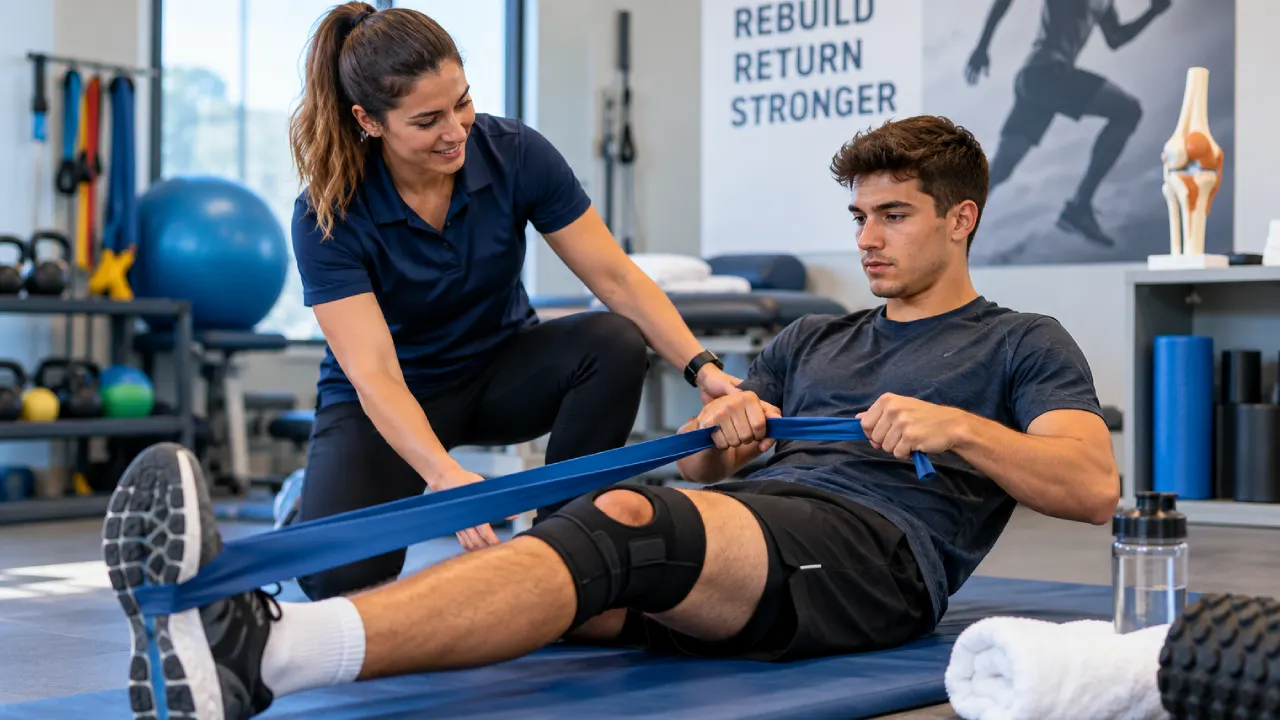
This is where Sports Rehabilitation can play an important role. A structured rehabilitation program focuses on assessing the injury, improving movement, rebuilding strength, developing coordination, and preparing the body for the physical demands of athletic activities. It also helps athletes identify movement patterns that may contribute to recurring injuries.
At Cityview Physio & Rehab in Woodbridge, athletes can seek physiotherapy support for sports-related injuries and movement difficulties. Recognizing the signs that you may need professional assessment can help you make informed decisions about your recovery and your return to physical activity.
1. Persistent Pain After a Sports Injury
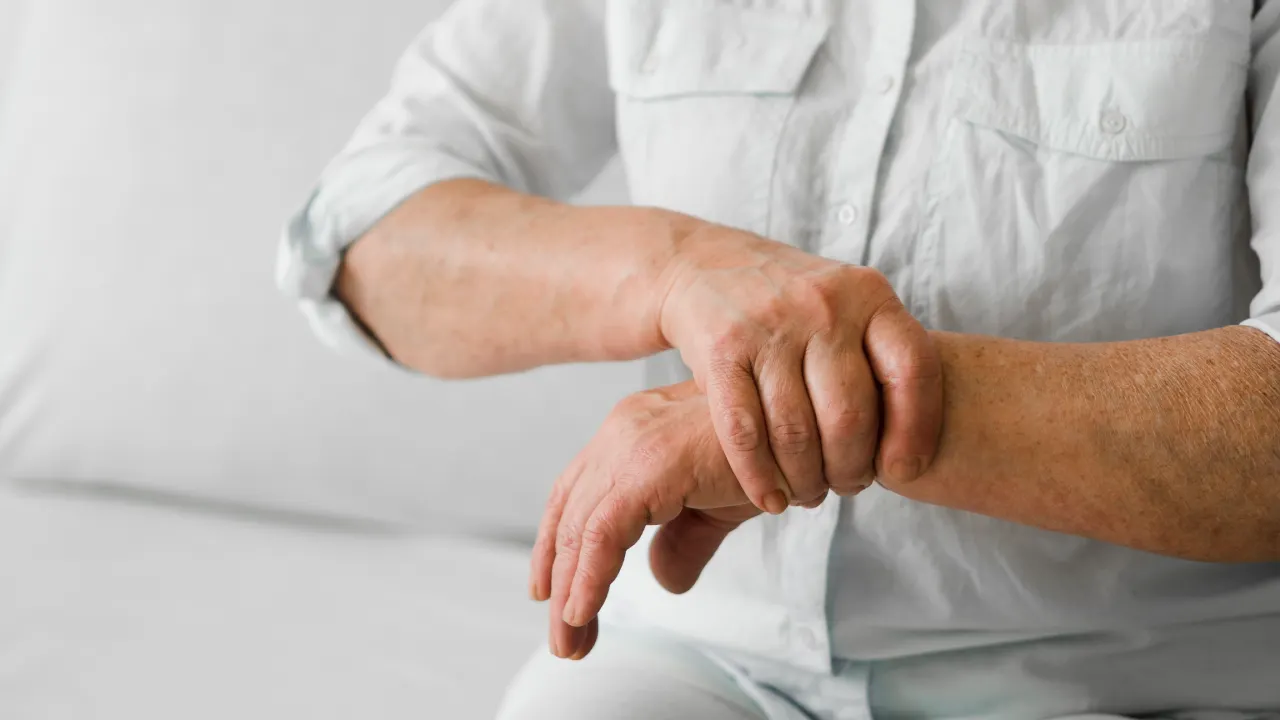
One of the first signs that you may need Sports Rehabilitation is pain that continues after a sports-related injury. While some soreness can occur following intense physical activity, persistent discomfort may indicate that an injured structure has not recovered sufficiently.
For example, runners may notice discomfort around their knees, ankles, or calves after increasing their training distance. Basketball players may experience shoulder discomfort after repeated overhead movements, while soccer players may notice pain around their groin, hips, or hamstrings after sprinting or changing direction.
Pain may become noticeable during:
- Running or jogging.
- Jumping and landing.
- Lifting weights.
- Throwing or swinging.
- Climbing stairs.
- Squatting or lunging.
- Participating in regular training sessions.
Ignoring these symptoms and continuing to train at the same intensity may place additional stress on the affected area.
A physiotherapist can assess your symptoms, movement patterns, joint mobility, and muscle function to identify possible contributing factors. Depending on the findings, a rehabilitation program may include progressive exercises, mobility activities, strength training, and advice about modifying physical activity.
If pain continues, increases, or interferes with everyday activities, arranging a professional assessment is an important step.
2. Reduced Strength in the Injured Area
Muscle weakness is another common sign that an athlete may need Sports Rehabilitation following an injury. After an injury, reduced activity, pain-related movement changes, or a period of rest can contribute to muscle weakness.
For instance, someone recovering from a knee injury may notice difficulty performing squats, climbing stairs, or standing on one leg. An athlete recovering from a shoulder injury may struggle with lifting weights, throwing a ball, or performing overhead movements.
Reduced strength can affect athletic performance in several ways:
- Difficulty generating power during movement.
- Reduced stability when changing direction.
- Trouble maintaining proper posture during exercise.
- Uneven weight distribution between both sides of the body.
- Reduced control during jumping and landing.
Strengthening exercises are commonly included in rehabilitation programs. A physiotherapist may assess the affected muscles and introduce exercises according to the athlete's current ability.
The program may gradually progress from basic muscle activation to resistance exercises, balance activities, and sport-related movements.
Restoring strength on both sides of the body is important because athletes often rely on coordinated muscle activity to perform demanding physical movements.
3. Limited Joint Mobility or Stiffness
Restricted movement can make it difficult to perform sports activities comfortably and efficiently. Joint stiffness may develop after injuries involving muscles, ligaments, tendons, or other surrounding structures.
An athlete recovering from an ankle sprain, for example, may find it difficult to bend the ankle while walking, running, or squatting. Someone with a shoulder injury may struggle to raise their arm or reach behind their back.
Common signs of restricted mobility include:
- Difficulty bending or straightening a joint.
- Stiffness after sitting or resting.
- Reduced flexibility during warm-ups.
- Discomfort when stretching.
- Difficulty performing movements that were previously routine.
Limited mobility can also cause athletes to compensate by changing how they move. These adjustments may place additional demands on other muscles and joints.
A physiotherapy assessment can help identify which movements are restricted and whether muscle tightness, joint stiffness, swelling, or other factors contribute to the problem.
Depending on the injury, rehabilitation may include controlled mobility exercises, stretching, strengthening, and gradual movement progression.
Restoring functional joint movement helps athletes prepare for the physical requirements of running, jumping, lifting, and other sports activities.
4. Poor Balance and Coordination
Balance and coordination are essential for athletes who regularly perform quick movements, sudden stops, jumps, and changes in direction.
An injury affecting the ankle, knee, hip, or lower back may interfere with the body's ability to maintain stability. Athletes recovering from ankle sprains, for example, may notice that standing on the injured leg feels less stable than standing on the other leg.
You may notice balance or coordination difficulties when:
- Walking on uneven surfaces.
- Standing on one leg.
- Landing after a jump.
- Changing direction while running.
- Moving quickly between different positions.
- Performing sports-specific drills.
These difficulties may indicate that the body has not fully restored its movement control following an injury.
Sports Rehabilitation may include balance training, single-leg exercises, coordination drills, and controlled changes in body position.
As the athlete progresses, exercises can become more demanding and may include lateral movements, controlled jumping, landing practice, and direction changes.
These activities help athletes develop greater awareness of body position and improve their ability to control movement during sports participation.
5. Swelling That Continues or Repeatedly Returns
Swelling is a common response to many sports injuries. It may develop after a fall, collision, sudden twist, or excessive physical loading.
However, swelling that continues or repeatedly returns after activity deserves attention. It may indicate that the injured area is still irritated or that the current activity level exceeds its ability to tolerate physical demands.
For example, a runner may notice ankle swelling after each training session. A basketball player may experience knee swelling following repeated jumping and landing.
Other symptoms that may accompany swelling include:
- Tenderness around the affected joint.
- Stiffness during movement.
- Difficulty bending or straightening the joint.
- A feeling of tightness.
- Discomfort when putting weight on the affected leg.
A physiotherapist can assess the affected area and determine whether further medical evaluation is necessary. Rehabilitation activities may be adjusted according to swelling, discomfort, and functional ability.
Athletes should avoid pushing through significant swelling or suddenly increasing training intensity. Severe swelling, inability to bear weight, visible deformity, or symptoms following a major injury require prompt medical assessment.
6. Difficulty Returning to Your Previous Athletic Performance
Sometimes an injury appears to have improved, but an athlete still cannot perform at their previous level.
You may be able to walk comfortably but struggle when running at full speed. You may manage basic exercises but notice weakness when lifting heavier weights. Similarly, a tennis player may return to hitting the ball but experience difficulty with quick lateral movements.
These differences can indicate that everyday movement has returned before sport-specific physical abilities have been restored.
Sports Rehabilitation can help address the physical demands associated with your particular activity.
For example:
- Runners may need progressive running drills and lower-body strengthening.
- Soccer players may require sprinting, cutting, and ball-control exercises.
- Basketball players may need jumping, landing, and direction-change practice.
- Swimmers may require shoulder mobility and upper-body conditioning.
- Tennis players may need rotational strength and controlled lateral movement.
A physiotherapist can evaluate your current abilities and identify which physical tasks remain difficult.
Gradually rebuilding sport-specific capacity helps athletes prepare for training demands rather than relying only on the improvement of everyday symptoms.
7. Repeated Sports Injuries in the Same Area
Experiencing repeated injuries in the same body area is another reason to consider professional assessment.
For example, an athlete may repeatedly sprain the same ankle while playing basketball. A runner may experience recurring hamstring strains, while a weightlifter may develop repeated shoulder discomfort during pressing exercises.
Recurring injuries may be associated with several factors, including:
- Inadequate muscle strength.
- Restricted joint mobility.
- Poor balance or coordination.
- Sudden increases in training volume.
- Insufficient recovery between sessions.
- Incorrect movement patterns.
- Returning to demanding activity too soon.
Although not every recurring injury has the same cause, identifying contributing factors can help guide rehabilitation.
A physiotherapist may examine how you move, how your muscles work together, and how your body responds to sport-related activities.
The rehabilitation program may include strength exercises, movement training, flexibility work, and advice about managing training intensity.
Athletes should also review their warm-up routines, footwear, playing surfaces, and training schedules when recurring injuries become a concern.
8. Fear or Lack of Confidence When Returning to Sports
Physical recovery is only one part of returning to athletic activities. An injury can also affect an athlete's confidence.
Even when discomfort has decreased, you may hesitate before sprinting, jumping, tackling, lifting weights, or making sudden movements.
For example, a runner who previously experienced a hamstring injury may feel nervous when increasing speed. A basketball player recovering from an ankle sprain may hesitate when landing after a jump.
This hesitation can affect movement quality and participation.
Common signs include:
- Avoiding movements that previously felt routine.
- Hesitating before jumping or sprinting.
- Feeling uncertain when changing direction.
- Avoiding contact during team sports.
- Worrying about reinjuring the affected area.
- Feeling uncomfortable during competitive training.
A gradual return-to-sport program can help athletes rebuild confidence through controlled physical activities.
The physiotherapist may introduce movements that progress from basic exercises to more demanding sport-related tasks. Athletes can work on balance, strength, coordination, and movement control while monitoring their symptoms.
Returning to sports should involve both physical readiness and confidence in performing the movements required by the activity.
How Sports Rehabilitation Helps Athletes Return to Sports Safely
Returning to sports after an injury requires more than waiting for discomfort to disappear. Athletes need sufficient strength, mobility, balance, coordination, and physical capacity to manage the demands of their chosen activity.
Sports Rehabilitation provides a structured process that helps address these requirements through progressive exercises and functional movement training.
Here are several ways rehabilitation may assist athletes during recovery.
1. Identifying the Cause of Movement Difficulties
The process generally begins with a physiotherapy assessment. The physiotherapist reviews your injury history, current symptoms, activity level, and athletic goals.
The assessment may include:
- Joint movement evaluation.
- Muscle strength testing.
- Flexibility assessment.
- Balance and coordination checks.
- Walking and running observations.
- Functional movement assessments.
This information helps identify physical limitations that may affect your ability to participate in sports.
2. Rebuilding Muscle Strength
Muscle strength is important for supporting joints and controlling movement during physical activity.
After an injury, an athlete may need to rebuild strength gradually before returning to demanding training sessions.
Exercises may include resistance training, controlled bodyweight movements, muscle activation activities, and progressive loading.
The exercise program depends on the injured area, the athlete's current abilities, and the demands of their sport.
3. Improving Flexibility and Joint Mobility
Restricted movement can affect how athletes run, jump, lift, throw, and change direction.
Rehabilitation may include controlled stretching, mobility exercises, and movement activities that address limitations around the injured area.
For example, an athlete recovering from an ankle injury may work on ankle mobility, while someone recovering from a shoulder injury may perform controlled shoulder movements.
4. Developing Balance and Movement Control
Sports frequently involve quick reactions and coordinated movements. Athletes need to control their bodies while accelerating, stopping, jumping, and changing direction.
Balance activities, single-leg exercises, and coordination drills can help develop movement control.
As physical capacity improves, exercises may progress towards movements that closely resemble the athlete's regular sporting activities.
5. Gradually Reintroducing Sport-Specific Activities
Returning directly to competitive sports after an injury may place excessive demands on the recovering area.
A progressive program can help athletes prepare for these demands in stages.
For example, a runner may progress from walking to light jogging, running drills, and gradually increasing speed. A soccer player may progress from basic ball-control exercises to passing, controlled direction changes, and more demanding field activities.
The pace of progression should depend on symptoms, physical performance, and clinical assessment.
6. Preparing for Full Sports Participation
Before returning to unrestricted training or competition, athletes should be able to perform the movements their sport requires with appropriate strength, balance, and control.
A physiotherapist can help assess readiness through functional exercises and sport-specific movement tests.
The decision to return should also consider the nature of the original injury, medical advice where required, and the athlete's response to progressively demanding activity.
Why Athletes Should Not Rush Their Return to Sports
Returning to sports too early can increase the risk of another injury, particularly when strength, mobility, or coordination remain limited.
Athletes may feel pressure to resume training because of upcoming competitions, team commitments, or personal fitness goals. However, the body needs sufficient time and progressive physical preparation following an injury.
Consider these points before returning to full activity:
- Do not ignore recurring discomfort during exercise.
- Avoid suddenly increasing training duration or intensity.
- Follow the exercise program recommended by your physiotherapist.
- Include appropriate warm-up and cool-down activities.
- Monitor swelling and other symptoms after training.
- Allow adequate recovery between demanding sessions.
- Follow medical advice when your injury requires further assessment.
A gradual approach helps athletes monitor their physical response while preparing for the demands of their sport.
Who Can Benefit from Sports Rehabilitation?
Athletes with different activity levels may require physiotherapy support following an injury. Rehabilitation is not limited to professional sportspeople or competitive players.
It may be appropriate for:
- Recreational runners experiencing recurring leg discomfort.
- Soccer players recovering from ankle or knee injuries.
- Basketball players dealing with shoulder or muscle injuries.
- Tennis players experiencing movement restrictions.
- Swimmers recovering from shoulder-related problems.
- Gym enthusiasts returning after muscle strains.
- Cyclists experiencing knee or lower-back discomfort.
- Young athletes recovering from sports-related injuries.
The rehabilitation program should reflect the athlete's injury, physical condition, age, activity level, and sporting requirements.
Frequently Asked Questions
1. When should I start Sports Rehabilitation after a sports injury?
The appropriate time depends on the type and severity of the injury. Some athletes may begin gentle rehabilitation activities soon after an injury, while others may require medical assessment and an initial period of protection or rest. A physiotherapist can help determine which activities are appropriate for your condition.
2. How long does sports injury rehabilitation take?
Recovery time varies according to the injury, affected body area, severity, age, general fitness, and response to rehabilitation. Minor injuries may require a shorter recovery period, while ligament injuries, fractures, and significant muscle injuries may require several weeks or months of care.
3. Can I continue exercising during rehabilitation?
In many cases, athletes can continue selected physical activities while recovering. However, the type, duration, and intensity of exercise should depend on the injury and your current abilities. Avoid activities that increase symptoms or place excessive stress on the affected area.
4. Does Sports Rehabilitation help prevent recurring sports injuries?
Rehabilitation may help address contributing factors such as muscle weakness, restricted mobility, poor balance, and movement limitations. It may also include advice about training progression and movement control. Although no program can eliminate every injury risk, addressing these factors may help reduce certain preventable risks.
5. Can I return to competitive sports after rehabilitation?
Many athletes can return to competitive sports following an appropriate recovery program. However, readiness depends on the injury, physical performance, functional ability, and medical recommendations. A gradual return-to-sport process helps assess whether you can manage the movements and physical demands of competition.
Take The Next Step
A sports injury can affect more than your training schedule. Persistent discomfort, muscle weakness, restricted mobility, poor balance, and reduced athletic performance can make it difficult to participate in the activities you enjoy.
Recognizing these signs early can help you decide when to seek professional assessment. With appropriate physiotherapy care, athletes can work towards restoring strength, improving movement, and preparing for a gradual return to physical activity.
At Cityview Physio & Rehab in Woodbridge, athletes can seek support for sports-related injuries and movement limitations. A physiotherapist can assess your condition, discuss your activity goals, and recommend an exercise program based on your physical needs.
If you are struggling to resume running, jumping, lifting, or participating in your regular sport after an injury, contact Cityview Physio & Rehab in Woodbridge to arrange an assessment and discuss your next steps.
Phone: +1 905-553-8199
Address: 551 Cityview Blvd, Woodbridge, ON L4H 0Z4, Canada