Early Knee Signs You Shouldn’t Ignore
Knee discomfort can start as something minor, a slight ache after a long walk or stiffness when getting up from a chair. Many people ignore these early signs, hoping the issue will go away on its own. Over time, however, small problems can build into something that affects daily movement.
This is where Knee Rehabilitation becomes important. Acting early can help prevent further strain, improve mobility, and support a smoother return to everyday activities. If you’ve been dealing with ongoing knee issues, recognizing the warning signs can make a big difference.
What Is Knee Rehabilitation?
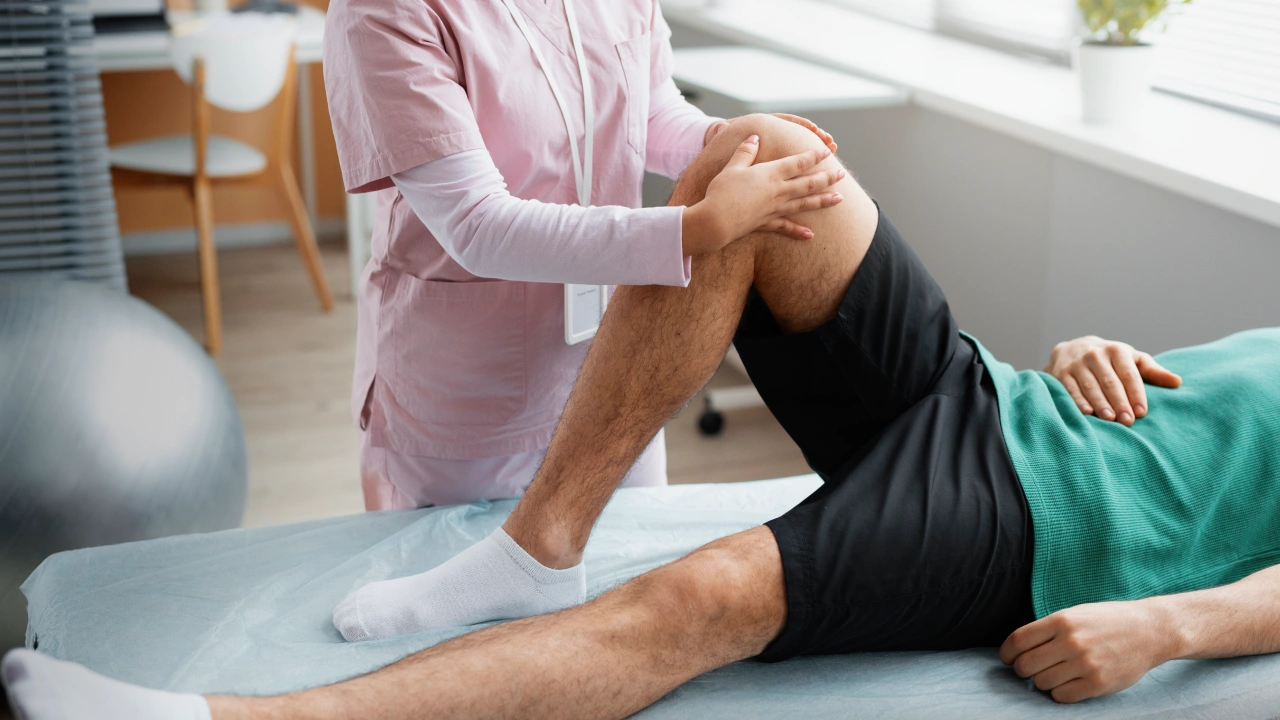
Knee Rehabilitation focuses on restoring movement, strength, and function in the knee joint through physiotherapy. It is commonly used for:
- Ligament strains or sprains
- Meniscus injuries
- Overuse-related conditions
- Post-surgical recovery
- General wear and tear
Physiotherapy for knee pain involves guided exercises, movement correction, and gradual progression based on your condition. The goal is to help the knee move more efficiently while reducing strain during daily tasks.
Why Knee Problems Get Worse Over Time
Knee issues rarely stay the same if left unaddressed. Several factors can contribute to worsening symptoms:
- Poor recovery after injury
Returning to activity too soon can prevent proper healing. - Repetitive strain
Activities like running, climbing stairs, or prolonged standing can add stress. - Delayed care
Ignoring early symptoms often leads to compensations in movement. - Weak surrounding muscles
The quadriceps, hamstrings, and hips play a major role in knee support. - Incorrect movement patterns
Poor alignment during walking or exercise can increase pressure on the joint.
Knee Rehabilitation helps address these issues early before they develop into more limiting conditions.
9 Signs You May Need Knee Rehabilitation
Recognizing these signs can help you decide when to seek physiotherapy for knee pain:
- Persistent knee discomfort
Ongoing pain that doesn’t improve with rest may indicate deeper issues. - Recurring swelling
Swelling that comes and goes often signals irritation within the joint. - Stiffness after rest
Difficulty moving the knee after sitting or sleeping is a common sign. - Limited range of motion
Trouble bending or straightening your knee fully can affect daily tasks. - Pain during stairs
Climbing or descending stairs can become uncomfortable when the knee isn’t functioning well. - Weakness or instability
Feeling like your knee might give way is a sign of reduced support. - Clicking or locking sensation
Unusual sounds or catching in the joint may point to structural concerns. - Reduced activity tolerance
If simple activities like walking become tiring or painful, it’s worth addressing. - Slow recovery after a minor strain
Small injuries taking longer to improve may indicate underlying weakness.
Knee Rehabilitation can help identify the root cause behind these symptoms and guide the recovery process.
How Physiotherapy Supports Knee Recovery
A structured approach to knee injury rehab focuses on multiple aspects of recovery:
Assessment and Movement Evaluation
A physiotherapist assesses how your knee moves during different activities. This helps identify imbalances or stress points.
Strength and Stability Exercises
Exercises target muscles around the knee and hips to improve joint support.
Mobility and Flexibility Work
Stretching and controlled movements help improve the range of motion.
Gradual Return to Activity
Progression is planned carefully to avoid re-injury while rebuilding strength.
Movement Education
Learning how to move efficiently during daily tasks reduces unnecessary strain.
Knee recovery exercises are adjusted over time to match your progress and activity level.
Common Mistakes People Make With Knee Pain
Many people unintentionally delay recovery by following habits that don’t support healing:
- Ignoring early symptoms
Waiting too long can make the issue harder to manage. - Avoiding movement completely
While rest is important, too much inactivity can lead to stiffness. - Relying only on rest
Without strengthening and mobility work, the root cause remains. - Returning to activity too quickly
Jumping back into sports or workouts too soon can worsen the condition. - Skipping structured rehab
Guided knee injury rehab helps ensure safe and steady progress.
Knee Rehabilitation focuses on avoiding these pitfalls while promoting safe recovery.
Knee Health Considerations in Woodbridge
Daily routines in Woodbridge can place different levels of stress on the knees. Whether it’s commuting, standing for long work hours, or participating in local sports, the knee joint is constantly active.
Seasonal changes can also influence activity levels. For example:
- Colder months may lead to stiffness due to reduced movement.
- Warmer seasons often increase outdoor activity, adding strain.
Access to physiotherapy for knee pain in Woodbridge can help individuals stay active while managing these challenges. Addressing issues early can support consistent movement throughout the year.
FAQs
When should I start Knee Rehabilitation?
You should consider Knee Rehabilitation as soon as you notice ongoing discomfort, swelling, or difficulty with movement that doesn’t improve within a few days.
Can physiotherapy help chronic knee pain?
Yes, physiotherapy for knee pain focuses on identifying underlying causes and improving strength and movement patterns over time.
How long does knee recovery take?
Recovery time varies depending on the condition, severity, and consistency with exercises. Some people notice changes within weeks, while others may take longer.
Do I need a referral to see a physiotherapist in Woodbridge?
In most cases, a referral is not required to begin physiotherapy sessions.
What exercises help strengthen the knee?
Knee recovery exercises often include squats, step-ups, leg raises, and stability work, depending on your condition.
Moving Forward
Knee discomfort can gradually interfere with daily life if left unaddressed. Paying attention to early signs and taking action can help prevent further complications. Knee Rehabilitation focuses on restoring movement, building strength, and helping you return to your usual activities with more confidence.
If you’re dealing with ongoing knee issues, consider booking an assessment at Cityview Physio & Rehab, located at 551 Cityview Blvd, Woodbridge, ON L4H 0Z4, Canada. A structured approach can help you move forward with clarity and a plan that fits your needs.