How Daily Habits Can Influence Chronic Arthritis Symptoms
Living with Chronic Arthritis can influence almost every part of daily life, from getting out of bed in the morning to completing routine household tasks. While arthritis cannot always be prevented, daily choices often play a role in how symptoms develop and change over time. Small habits repeated every day can contribute to stiffness, joint discomfort, or reduced mobility, or, on the other hand, help support joint function.
For residents in Woodbridge, maintaining healthy routines can make everyday activities more manageable. At Cityview Physio & Rehab, individuals receive physiotherapy services that focus on improving movement, joint mobility, strength, and overall physical function.
In this article, we'll look at seven daily habits that may influence Chronic Arthritis, practical coping strategies, and answers to common questions.
What Is Chronic Arthritis?
Chronic Arthritis refers to long-term inflammation or degeneration affecting one or more joints. It commonly causes joint pain, stiffness, swelling, and reduced range of motion that persists for months or years.
Several forms of arthritis exist, including
- Osteoarthritis
- Rheumatoid arthritis
- Psoriatic arthritis
- Ankylosing spondylitis
- Gout
Although each condition differs, many people share similar daily challenges involving mobility and joint function.
7 Daily Habits That May Affect Chronic Arthritis Symptoms
1. Sitting for Long Periods
Modern lifestyles often involve extended hours at a desk, driving, or watching television. Remaining in one position for too long can cause joints to become stiff.
When joints stay inactive:
- Muscles weaken
- Circulation slows
- Flexibility decreases
- Joint stiffness increases
Getting up every 30–60 minutes for a short walk or gentle stretch can help keep joints moving throughout the day.
2. Skipping Daily Movement
Many people assume resting painful joints all day is the right choice. While rest is important during severe flare-ups, avoiding movement altogether may lead to reduced flexibility and weaker muscles.
Low-impact activities may include:
- Walking
- Swimming
- Cycling
- Stretching
- Gentle strengthening exercises
Consistent movement often supports healthy joint mobility.
3. Poor Posture
Posture influences how body weight is distributed across joints.
Common habits such as
- Slouching
- Leaning to one side
- Sitting without back support
- Standing unevenly
may place unnecessary stress on the knees, hips, shoulders, and spine.
Improving posture during work and daily activities may reduce unnecessary joint strain.
4. Lack of Quality Sleep
Sleep allows the body to recover after daily activity.
Poor sleep may contribute to:
- Increased fatigue
- Reduced energy
- Higher sensitivity to discomfort
- Difficulty remaining physically active
Creating a consistent bedtime routine and maintaining a comfortable sleeping position can help support overall wellness.
5. Carrying Excess Body Weight
Extra body weight places additional pressure on weight-bearing joints.
For example:
- Knees absorb several times your body weight while walking.
- Hips experience repeated loading during movement.
- Ankles work harder during standing and stair climbing.
Even modest weight management efforts may reduce stress placed on affected joints.
6. Ignoring Early Joint Stiffness
Morning stiffness or occasional joint discomfort is sometimes dismissed as normal aging.
Ignoring early symptoms may allow movement limitations to gradually worsen.
Seeking an assessment when symptoms first appear may help identify contributing factors and develop an appropriate management plan.
7. Repeating the Same Movements Every Day
Many occupations involve repetitive activities such as
- Lifting
- Kneeling
- Typing
- Using hand tools
- Standing for long shifts
Repeated movements may increase stress on certain joints.
Taking scheduled breaks, changing positions, and using proper body mechanics may reduce repetitive strain.
10 Practical Tips for Coping With Chronic Arthritis Symptoms
Daily habits become easier to maintain when they are simple. Here are ten practical ideas you can adapt to your routine.
1. Start the morning with gentle movement.
Instead of moving from bed directly into demanding tasks, spend a few minutes gently moving stiff joints. Slow ankle movements, shoulder rolls, hand movements, or easy walking around the home may help you transition into the day.
2. Use short activity periods.
You do not have to complete all exercise in one session. Several short periods of movement can be easier to fit into a busy day. Try a brief walk in the morning, light mobility work later, and another short walk in the evening if those activities suit your condition.
3. Track patterns, not just symptoms.
Keep a simple record of activity, sleep, stress, and symptoms. Over several weeks, patterns may become easier to identify. You might notice that prolonged sitting, heavy household work, or poor sleep is followed by increased stiffness.
4. Prepare for demanding tasks
If you know a task will require lifting, standing, walking, or repeated hand movements, plan how you will break it into smaller parts. Place needed items nearby and allow time for pauses.
5. Choose joint-friendly activities.
Low-impact activities may place less stress on joints than high-impact exercise. Walking, swimming, water exercise, stationary cycling, and selected mobility routines may be options for some people. Your healthcare provider can help determine what fits your condition.
6. Pay attention to footwear.
Shoes influence how forces travel through the lower body. Choose footwear that feels stable and comfortable for your daily activities. If foot, ankle, knee, or hip symptoms are affecting how you walk, discuss them with a physiotherapist.
7. Adjust your workstation.
If you work from home or spend many hours at a desk, check your chair height, screen position, keyboard placement, and foot support. Make small adjustments so you are not holding the same awkward position for hours.
8. Keep household items within reach.
Repeated bending, twisting, or reaching can make some chores harder. Store commonly used items at accessible heights when possible. Use smaller loads when carrying laundry, groceries, or other household items.
9. Respect changes in symptoms.
Chronic Arthritis symptoms can vary from day to day. A routine that feels manageable one day may be too demanding on another. Adjusting the amount, speed, or duration of an activity is not a failure; it is part of pacing.
10. Seek professional assessment when symptoms interfere with life.
If stiffness, swelling, weakness, or joint discomfort is making walking, stairs, work, sleep, or household tasks difficult, consider speaking with a healthcare professional.
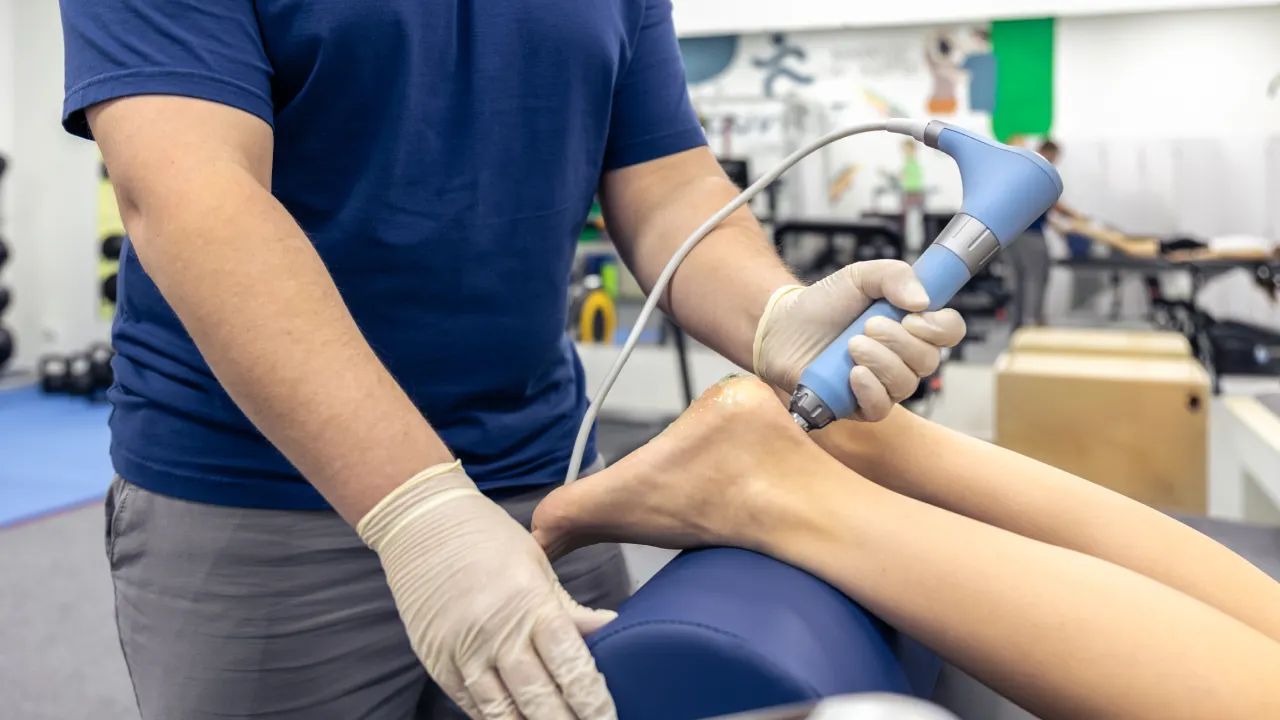
Physiotherapy can include movement assessment, therapeutic exercise, manual therapy, and education about daily activities. At Cityview Physio & Rehab in Woodbridge, people can discuss movement concerns and rehabilitation options with a physiotherapy team.
How Physiotherapy May Help
Physiotherapy focuses on improving movement and physical function without surgery.
Depending on individual needs, treatment may include:
- Joint mobility exercises
- Strengthening programs
- Stretching routines
- Balance training
- Walking assessments
- Posture correction
- Functional movement training
- Education on joint protection strategies
Treatment plans are developed according to each person's mobility goals and daily activity requirements.
Why Early Management Matters
Many people wait until symptoms become severe before seeking professional care.
Early intervention may help:
- Improve joint mobility
- Maintain muscle strength
- Reduce stiffness
- Improve daily function
- Encourage healthy movement habits
- Support independence during everyday activities
Addressing concerns early often provides more opportunities to manage symptoms before movement becomes significantly limited.
Living Well With Arthritis in Woodbridge
Living with arthritis does not necessarily mean giving up the activities you enjoy. Building healthy daily routines, remaining active, and seeking professional support when needed can help you continue participating in work, recreation, and family life.
Residents throughout Woodbridge have access to physiotherapy services that focus on improving movement, restoring function, and supporting long-term joint health.
Why Choose Cityview Physio & Rehab?
At Cityview Physio & Rehab, our team works closely with individuals experiencing joint stiffness, reduced mobility, and ongoing musculoskeletal conditions.
Our clinic provides:
- Comprehensive physiotherapy assessments
- Individual exercise programs
- Manual therapy techniques
- Posture and movement education
- Strength and mobility training
- Joint function improvement strategies
- Patient-focused rehabilitation plans
- Convenient appointments for Woodbridge residents
Our goal is to help individuals improve mobility and remain active through evidence-informed physiotherapy care.
Frequently Asked Questions
1. What causes Chronic Arthritis?
Common causes include age-related joint wear, autoimmune conditions, previous injuries, genetics, and long-term joint stress. A healthcare professional can determine the underlying cause through an assessment.
2. Can exercise make arthritis worse?
Appropriately selected exercises generally support joint mobility and muscle strength. High-impact or unsuitable activities may increase discomfort, which is why professional guidance is recommended.
3. When should I see a physiotherapist for arthritis?
Consider scheduling an assessment if joint stiffness, swelling, reduced mobility, or discomfort persists for several weeks or interferes with daily activities.
4. Which joints are most commonly affected?
Arthritis frequently affects the knees, hips, hands, shoulders, feet, and spine, although it can involve almost any joint in the body.
5. Is physiotherapy useful for long-term arthritis?
Yes. Physiotherapy aims to improve movement, flexibility, muscle strength, balance, and overall physical function while helping individuals manage everyday activities more comfortably.
Contact Cityview Physio & Rehab
If joint stiffness or reduced mobility is affecting your daily routine, Cityview Physio & Rehab is here to help. Our experienced physiotherapy team proudly serves individuals throughout Woodbridge with assessments, movement-based rehabilitation, and individualized treatment plans designed to support healthier joint function.
Contact Cityview Physio & Rehab today to book your physiotherapy assessment and take the next step toward moving with greater confidence.